5 Hand Positions to Lower Cortisol During Social Events
In my book, Little Bird, the world is rarely quiet. For twelve-year-old Jake, it is a place of sirens and lowered voices. For his sister, Olivia, it is a blur of lights and a world "filled with static that no one else can hear".
Whether you are sitting on the stairs watching a crisis unfold or trying to navigate a family dinner where heavy silence feels like a shroud, your body needs a way to find its baseline. These five discreet hand positions are designed to lower cortisol and provide a somatic anchor when the world around you gets too loud.
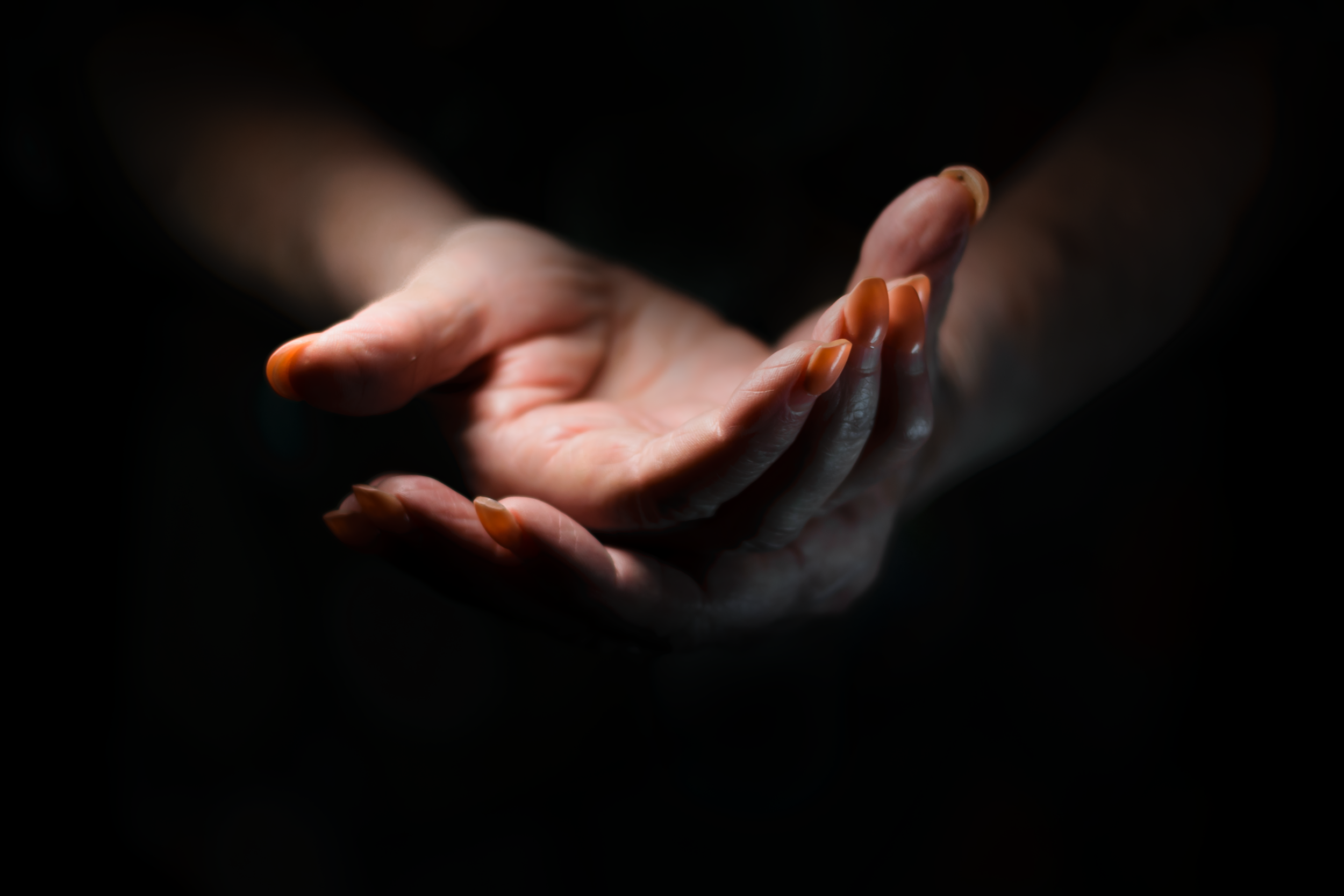
1. The Tabletop Anchor
In the final pages of Little Bird, as the family gathers around the kitchen table, Olivia’s leg is jiggling with nervous energy. To find her ground, she leans forward with her "hands splayed out in front of her" on the table.
The Technique: Place both palms flat on a hard surface, a table, a desk, or even your thighs. If you like, you can imagine a soft energy flowing through your body, and grounding into the surface.
Why it works: This position provides immediate sensory input to the brain, signalling that you are physically supported and grounded. It is a powerful way to discharge the jiggling energy of anxiety.
2. The Palm Press
Jake often feels himself "sucked back into the wall," an invisible observer of his family's pain. When you feel like you are disappearing into the background of a high-demand moment, the Palm Press brings you back to yourself.
The Technique: Use the thumb of one hand to press firmly into the center of the opposite palm. You can do this under a table or behind your back.
Why it works: The center of the palm contains a major nerve junction. Applying pressure here acts as a kind of reset button for the nervous system, helping to quiet the buzzing Jake hears in his brain during moments of high stress.
3. The Thumb Guard
For Olivia, sensory overload can feel like "thousands of tiny needles" in her skin. When the static is too much, a protective gesture can offer a sense of safety.
The Technique: Fold your fingers over your thumb, creating a soft fist.
Why it works: In somatic therapy, the thumb represents the self. By guarding the thumb, you are sending a neurological signal of self-containment and protection. It is a discreet way to clasp yourself when social expectations feel too rigid and overwhelming. It is your own way to find containment.
4. The Finger Pulse
In the heavy silence of a family crisis, the mind often races. Jake’s mother, Helen, in her desperate attempt to support her daughter, who she sees falling apart in front of her, her mind is working in a constant loop of tasks and demands. It jumps between doctors, specialists, and school meetings.
The Technique: Using your thumb, gently squeeze the tip of each finger on the same hand, one by one, in a rhythmic pulse.
Why it works: This rhythmic, bilateral stimulation mimics the music beneath the static noise of the crisis. It gives the brain a simple, repetitive task to focus on, lowering cortisol levels and breaking the loop.
5. The Wrist Anchor
When a situation feels like it is spiralling into crisis, we often need a way to hold the intensity.
The Technique: Wrap one hand around the opposite wrist, feeling the pulse beneath your skin.
Why it works: This position provides a sense of containment for the nervous system. For a child like Olivia, a little bird with clipped wings, feeling the steady beat of your own pulse is a reminder that despite the systemic failure or medical labels, the core of the self is still there, waiting for the freedom to fly.
In Little Bird, healing doesn't come from the sterile wards or the tough love of a broken system. It comes from the quiet, powerful connections we make with ourselves and others. By using these discreet hand positions, you can begin to tune out the static and find the ease Olivia finally discovers, a relief that feels like "air slowly leaking out," allowing you to finally breathe.
If you or someone you know is discovering their neurodivergence or sensitive nature, then you might like to read my first novella, Little Bird, out now. Available as a kindle download or you can order through your local independent bookshop.