Tuning Into a Different Frequency - For the Silenced
Welcome to a space dedicated to the quietest corners of the human experience.
Over the coming weeks, I will be sharing a series of very special articles. The inspiration for this series is my upcoming book, Little Bird, a fictional story told through the eyes of twelve-year-old Jake as his family spirals into a crisis they didn't see coming. At the centre of the storm is his sister, Olivia. To the medical world, she is a patient, mis-labelled as case of anorexia. But to Olivia, the problem was never the food; it was a world that had become too loud, too bright, and filled with noise no one else could hear.
These articles will explore the themes in the book that include:
The Invisible Sibling: The emotional toll on a child living in the shadow of a sibling’s chronic illness.
Sensory Overload & Neurodivergence: A look at how the world feels to someone whose frequency is tuned differently.
Systemic Failure: The struggle of a family caught between a rigid school system and a medical world that prioritises diagnoses over the person.
Sibling Bonds: The quiet, powerful connection that remains when everything else falls apart.
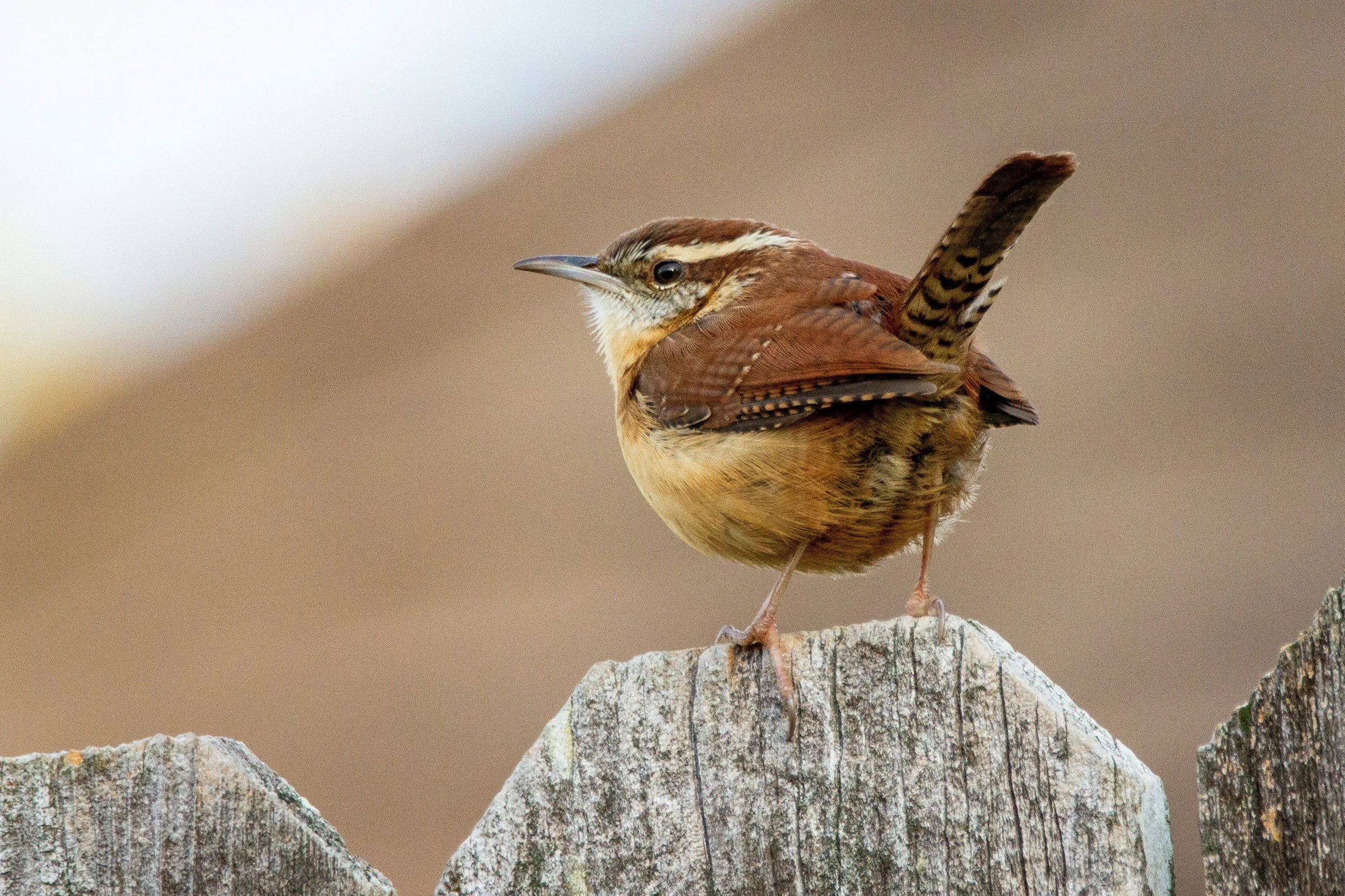
The wren is my favourite bird. Her song is so loud and vibrant, yet we rarely see her.
Little Bird is a raw exploration of what happens when a family is caught between a rigid school system and a medical world that prioritises a clinical diagnosis over the actual person. It is about the invisible siblings like Jake, who live in the shadow of chronic illness , and the quiet, unbreakable bonds that remain when everything else falls apart.
Most of all, it is a story about neurodivergence and the desperate need for a different kind of freedom, the kind found not in sterile hospital wards, but in the rhythmic connection of a horse field and the understanding of those who don't see you as a problem to be fixed.
I wrote this story as a representation of the pain I see every day as families navigate the complexities of a medical model that wasn’t designed for neurodivergent people. That constantly tells us that we are failing, we are broken, and need to be fixed.
I wrote this as part lived experience, and part sharing the themes that come up in my clinic. I needed a creative outlet to express the frustration I feel in my own body.
I also wanted to reach more people to help them feel seen and validated. There is still a lack of representation in the real neurodivergent experience in literature, film, theatre and TV. In my little way, I am hoping to bridge that gap slightly.
The articles that will be published each Friday for the next few weeks, take the themes of Little Bird - from sensory overload and systemic failure to the healing power of somatic connection - and offer a deeper look at how we can support the "little birds" in our own lives. Whether you are navigating your own neurodivergent journey, supporting a child in crisis, or simply trying to understand a world tuned to a different frequency, I hope these pieces help you in some way.
Much love
Claire x