A Five-Minute Vagal Nerve Reset Routine for Slow Mornings
When you wake up in the morning already feeling nervy and on edge, or whiffly and tired, it doesn’t feel like a great start to the day. The nervous system is often treated as something to be fixed with better thoughts or more logic. But thoughts aren’t going to change how the nervous system works by itself. While positive affirmations and changing how we talk to ourselves is helpful, we also need to work with the vagus nerve.
The vagus nerve is a long, wandering neural highway that connects the brain to almost every major organ in the body. It is the primary commander of the parasympathetic nervous system, also known as the rest and digest mode.
When the vagus nerve is well-toned, you can pivot from stress back to calm with more ease. When it is underactive, you might feel stuck in a loop of anxiety or exhaustion. Priming this system first thing in the morning acts like a calibration for your emotional thermostat.
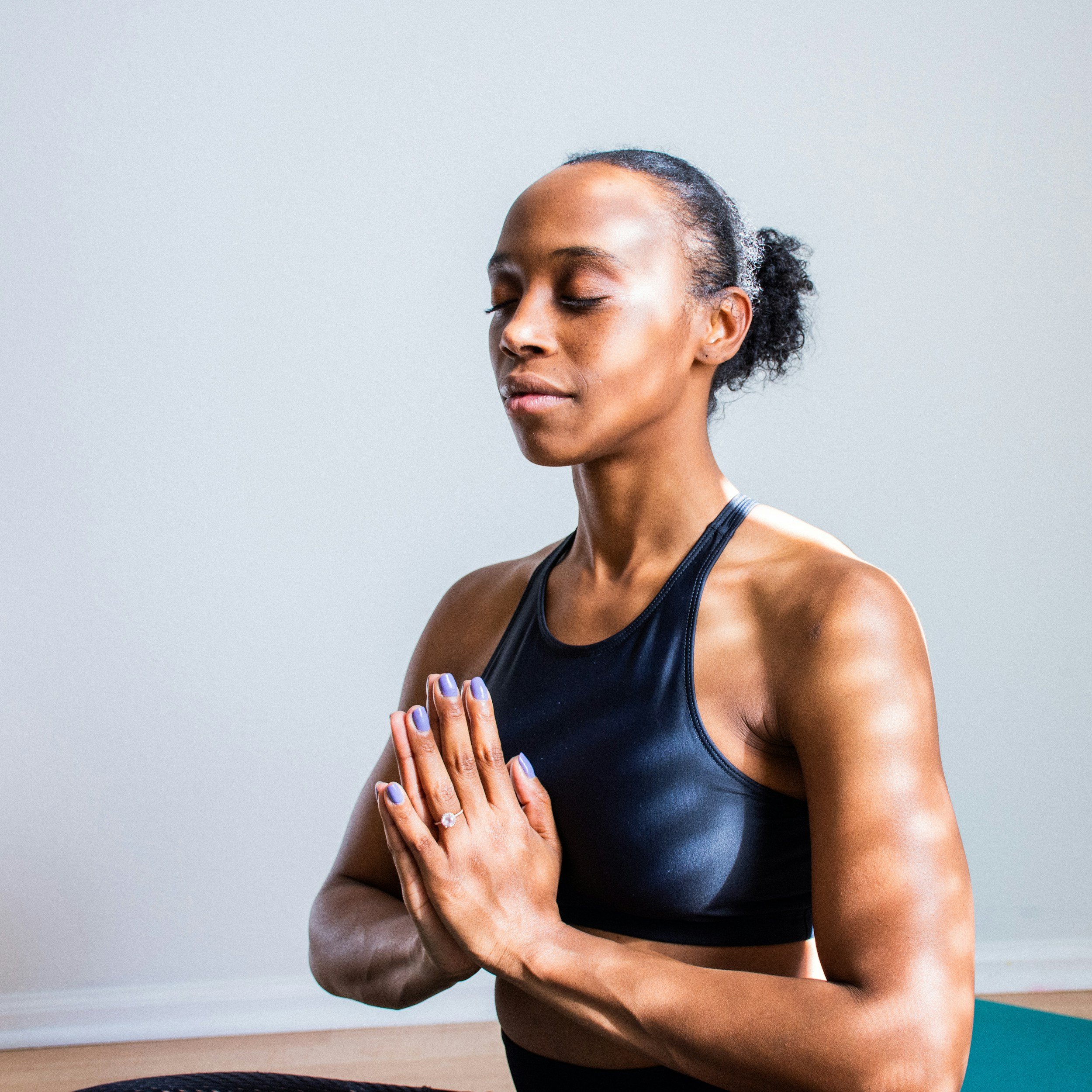
Why Five Minutes?
The brain does not require an hour-long ritual to change its state. It requires clear, physical signals of safety. By spending five minutes on targeted physiological inputs, you tell your brain that the day ahead is manageable.
It’s also far more accessible to think of doing a five minute routine each morning rather than carving out a whole hour.
It’s important to note though, that this is a practice to be developed over time. It isn’t a try-it-once-quick-fix.
If you think about it in the same way as you’d tone a muscle, you wouldn’t expect one walk, run, gym session or yoga class to turn you into a fit and flexible human. You know it takes time and effort and even feels pretty intense at the start (think delayed onset muscle soreness from lactic acid!) You need to treat vagal toning in the same way as you’d treat muscle toning - slow, steady, consistent-ish.
The Morning Protocol
Minute One: The Cold Signal
Start by splashing your face with cool water or using a spritzer to mist your face if that’s too intense (my preferred method!). This simple act triggers the mammalian dive reflex, which immediately slows the heart rate and redirects blood flow to the brain and heart. It is the quickest way to snap the nervous system out of a groggy or anxious state.
Minute Two: The Ocular Reset
Sit comfortably and keep your head facing forward. Without moving your head, shift your eyes as far to the right as possible. Hold them there until you feel a spontaneous sigh, swallow, or yawn. This is a signal that your nervous system has shifted into a relaxed state. Repeat the process on the left side.
Minute Three: Sound and Vibration
The vagus nerve passes right by the vocal cords. You can stimulate it through vibration. Humming a low note or making a long, audible hum during your exhale creates a physical resonance that calms the chest and throat. It may feel slightly ridiculous at first, but your nervous system finds it deeply soothing.
Minute Four: Ear and Neck Release
Gently massage the skin just inside the opening of your ears and the area behind the earlobe. There are branches of the vagus nerve that are accessible right at the surface of the skin here. Combine this with a slow neck stretch, letting your ear drop toward your shoulder to release the tension in the muscles where stress often accumulates.
Minute Five: The Physiological Sigh (Optional)
Finish with a specific breathing pattern designed to offload carbon dioxide and lower stress. Take a deep inhale through the nose, followed by a quick, sharp second inhale to fully expand the lungs. Then, release a long, slow exhale through the mouth. Repeat this three times. Only do this if breathing isn’t a trigger point for you.
Emotional Flexibility
Emotional flexibility is not about never getting stressed; it is about how quickly you can return to centre. This routine is not a magic shield against a difficult boss or a heavy workload, but it does ensure that you are starting the day with your parasympathetic system online.
By making these five minutes a non-negotiable part of your morning, you are teaching your body that it has a way back to safety. Toning your vagus nerve in this way when you’re calm helps you when you’re in those moments of dysregulation. Emotional flexibility is a practice of physiological remembering, and every time you use these tools, you make the path back to calm a little easier to find.