How bilateral stimulation can help you process difficult emotions
Do you find that you need a way to stabilise your nervous system in the moment? Maybe you’re in the supermarket, overwhelmed by lights and choice, or perhaps you’re at work dealing with a difficult meeting or situation with a colleague. This is where the technique known as the Butterfly Hug becomes a vital part of your mental health toolkit.
Developed by Lucina Artigas during her work with survivors of natural disasters, this method is a portable form of bilateral stimulation. It is a self-administered way to help your brain process heavy emotions or connect more deeply with a feeling of safety and calm.
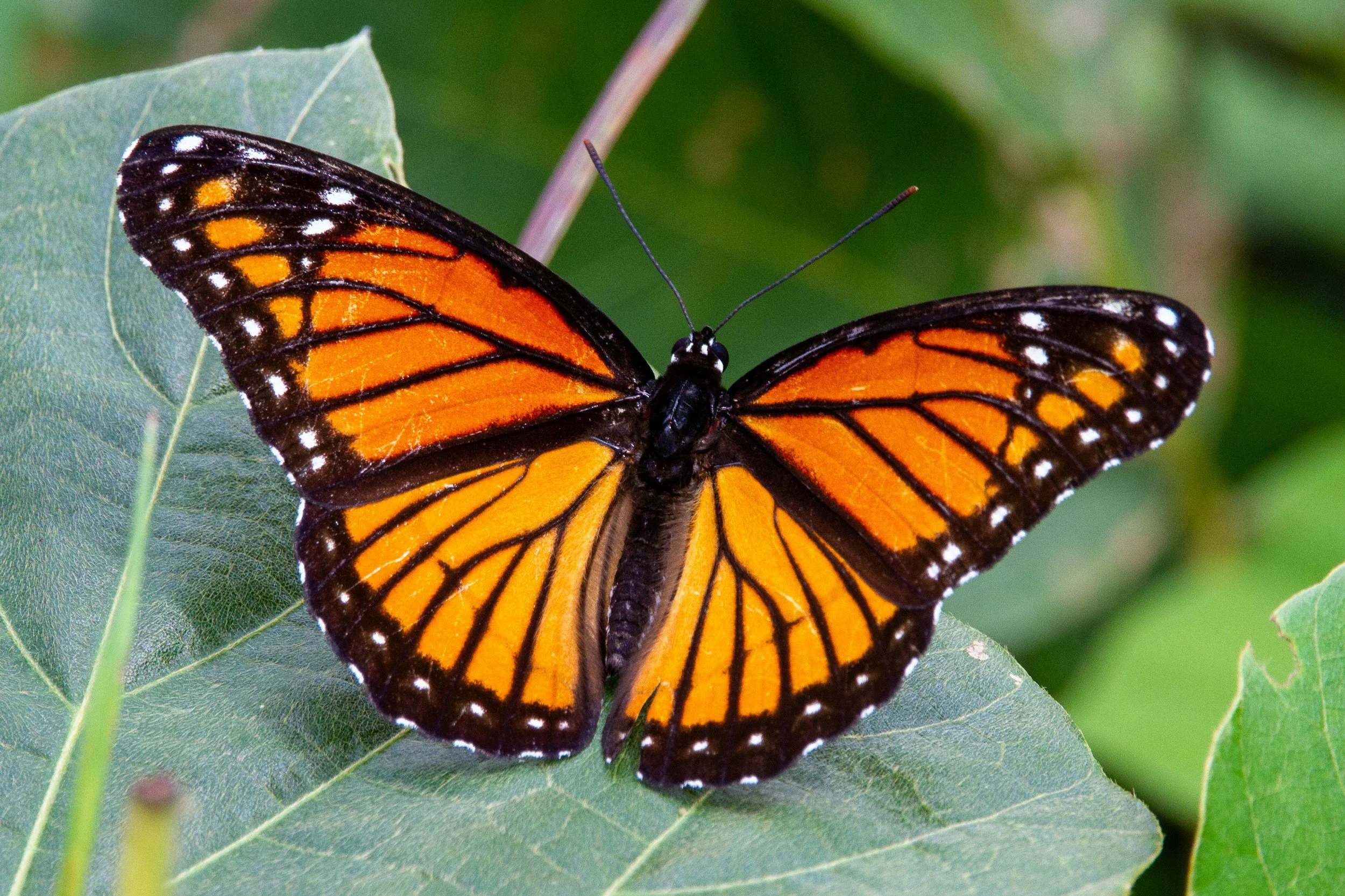
What is Bilateral Stimulation?
Bilateral stimulation refers to any rhythmic pattern that crosses the left and right sides of the body. This can be visual, such as watching a pendulum move, or tactile, such as tapping.
The logic behind this is grounded in how the human brain functions. When a person is overwhelmed, the right hemisphere of the brain - the side responsible for emotions and the survival instinct - becomes hyperactive. Meanwhile, the left hemisphere - the side responsible for logic and language - tends to go offline. By using bilateral tapping, you allow the two hemispheres to communicate. This helps move an emotional experience from a state of raw panic into a state where it can be processed and understood.
It can be useful if breathing techniques haven’t helped or isn’t accessible for you. Or you’ve tried orienting or cold water and they’ve not helped either.
Comparison of Real Time Grounding Methods
Deep Breathing | Diaphragmatic expansion | Lowers the heart rate
Five Senses | Environmental scanning | Pulls the mind out of the past
Butterfly Hug | Alternating tactile taps | Integrates emotional and logical brain centres
How to Practice the Butterfly Hug
The beauty of this technique lies in its simplicity. It does not require special equipment or a specific setting. Follow these steps to begin.
Cross your arms over your chest so that your right hand rests on your left upper arm or shoulder, and your left hand rests on your right upper arm or shoulder with your hands pointing up towards your shoulders.
Interlock your thumbs to form the body of a butterfly. Your fingers represent the wings.
Close your eyes or maintain a soft, downward gaze to minimize external distractions.
Begin to tap your hands alternately. Tap the left side, then the right side, in a slow and steady rhythm.
Breathe naturally. As you tap, observe the thoughts, images, or sounds that pass through your mind. Do not try to change them or judge them. This can be done in relation to the stressful situation you are in right now, a distressing memory or recollection (although I recommend doing this with a therapist) or do it 6-8 times to help you focus and integrate a sensation of safety and peace in your body.
Continue this for several minutes until you feel a shift in your physical tension or a decrease in the intensity of the emotion.
Why It Works for Real Time Stress
The Butterfly Hug is particularly effective because it provides a physical container for your distress. In moments of high anxiety, the body often feels as if it is falling apart or losing control. The act of crossing your arms and hugging yourself provides a literal boundary for your physical self, while the tapping provides a rhythmic anchor.
This technique acts as a bridge. It allows you to stay present with a difficult feeling while simultaneously signalling to your nervous system that you are safe. You are not running from the emotion; you are simply giving your brain the rhythmic support it needs to digest the experience.
Whether you are dealing with a sudden trigger or just the daily grind of a high-pressure environment, the Butterfly Hug offers a way to regain your centre and operate from your Self energy. It is a quiet, powerful reminder that you have the internal resources to navigate even the most turbulent emotional waters.