Designing a Pro-Dopamine Life Beyond the 5am Grind
We’ve all been sold the same productivity dream: Wake up at 5:00 AM, drink a gallon of lemon water, meditate for forty minutes, and crush a twelve-step to-do list. But for many of us - especially those with ADHD, high-sensation-seeking personalities, a circadian rhythm that leans towards night owl, not morning lark, or just non-standard brain wiring - this rigid structure feels less like a ladder to success and more like a cage.
When your brain’s dopamine signalling doesn't follow the standard script, traditional measures of discipline often lead to burnout. And even if your brain is wired in a more neurotypical way, life shouldn’t be about being productive all the time. That is a lie we’ve been sold by capitalism to keep us all focused on buying stuff.
No, what I’m talking about is designing a Pro-Dopamine Life that isn't about forced productivity. Instead, it’s about working with your neurobiology to create a routine that feels sustainable, exciting, and authentic. That you design for yourself that can also flex around the unknowable obstacles that will emerge out of nowhere to derail a routine that is too rigid.
So let’s get to it.
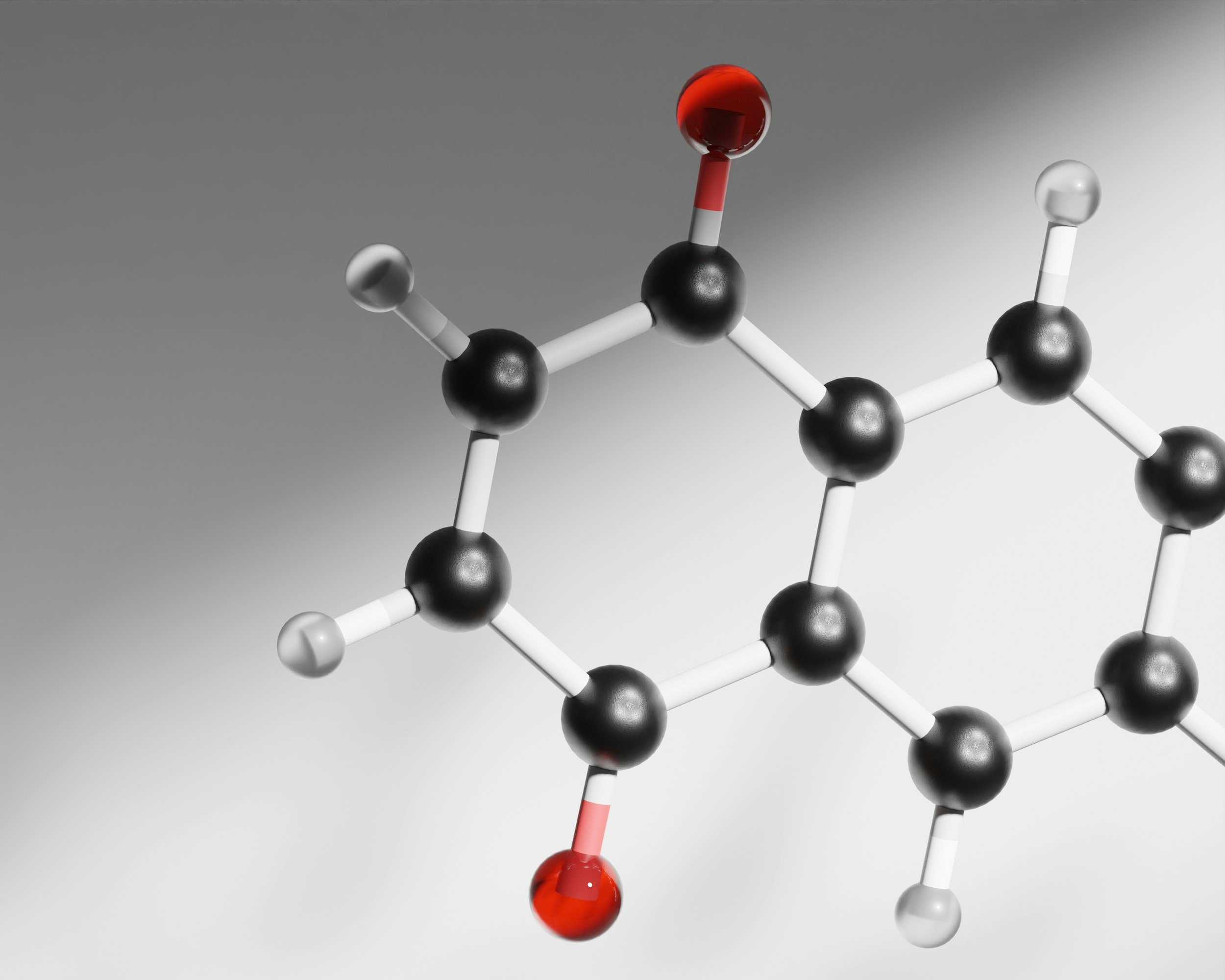
Understanding the Dopamine Gap
Dopamine is not just about the hit you get when you win; it is the molecule of anticipation and pursuit. It’s the engine that gets you out of bed.
Standard Wiring: Low-effort tasks (like checking email) provide enough dopamine to bridge the gap to high-effort tasks.
Dopamine-Stingy Wiring: The brain requires a higher activation energy to start. Without a clear sense of novelty, urgency, or interest, the engine simply won't turn over.
If you’ve ever felt lazy while your brain was screaming at you to do a task, you aren't lacking will power. You’re lacking the neurochemical fuel to initiate movement.
Step 1: Audit Your Dopamine
Before you can build a routine you need to know where your energy is going. Not all dopamine is created equal. We can categorise our daily activities into two main types:
Cheap Dopamine
Doomscrolling / Social Media loops
Emotional eating / Sugar spikes
Impulse shopping
Task-switching
Result: High spike, followed by a crash.
Deep Dopamine
Engaging in a flow state hobby you can get lost in
Completing a challenging physical workout
Meaningful connection with a friend
Finishing a project you’re proud of
Result: Sustained baseline elevation.
You don't have to eliminate "Cheap" dopamine (we’re human, after all), but you must ensure it isn't your only source.
Step 2: The Dopamine Menu Strategy
Forget the rigid schedule. Instead, build a dopamine menu. This is a curated list of activities that you know help regulate your nervous system, categorised by the time and energy they require.
Starters (5–10 mins): High-intensity music, a quick walk, 5 minutes of sunlight, or a quick stretch. Use these to spark the engine when you're stuck.
Main Course (30–90 mins): Deep work sessions, gym time, or cooking a real meal. These are the meat of your day.
Sides (Passive): Body doubling (working while someone else is in the room), listening to brown noise, or using a fidget toy while in meetings.
Desserts (Reward): Watching a show, gaming, or scrolling. These happen after the entrees to prevent the "dopamine crash" from ruining your work day.
Step 3: Design Not Willpower
If you have to remember to be productive, you’ve already lost. A pro-dopamine life relies on Environment Design.
Reduce Friction for Good Habits: Want to workout? Put your shoes on top of your phone.
Increase Friction for Time-Sinks: Put your social media apps in a hidden folder or delete them on weekdays.
The Visual Cue Rule: If your brain is an out of sight, out of mind kind of brain, use visual prompts. Keep your to-do list physical and in your direct line of sight. (Although switch these up regularly so you don’t go blind to them)
Step 4: Honour Your Natural Rhythms
Stop trying to be a morning person if your brain doesn't come online until the afternoon. A pro-dopamine routine honours your chronotype.
If you have a slow-start brain, give yourself a buffer hour where no high-stakes decisions are allowed. Use this time for starter tasks to gently raise your dopamine baseline before tackling the main course.
The Authentic Finish Line
Designing a pro-dopamine life is an act of self-advocacy. It’s a refusal to apologise for needing more novelty, more breaks, or more stimulation than the person in the cubicle next to you.
When you stop fighting your brain and start feeding it correctly, productivity ceases to be a chore and becomes a natural byproduct of a well-regulated system. Your brain isn't broken, it just needs clearer design.