Keeping Steady as the Clocks Change and the Light Fades
The clocks going back sound like a small thing. An extra hour in bed, a minor administrative shuffle. But for a neurodivergent or sensitive body, the sudden shift in light and rhythm can land far harder than anyone around you seems to notice.
I know I struggle every time the clocks change. And the fading darkness really impacts me.
If the dark evenings and the lurch of the clock change leave you disoriented and low, you are not being dramatic. Your system relies on rhythm, and rhythm has just been disturbed.
Why the light matters so much
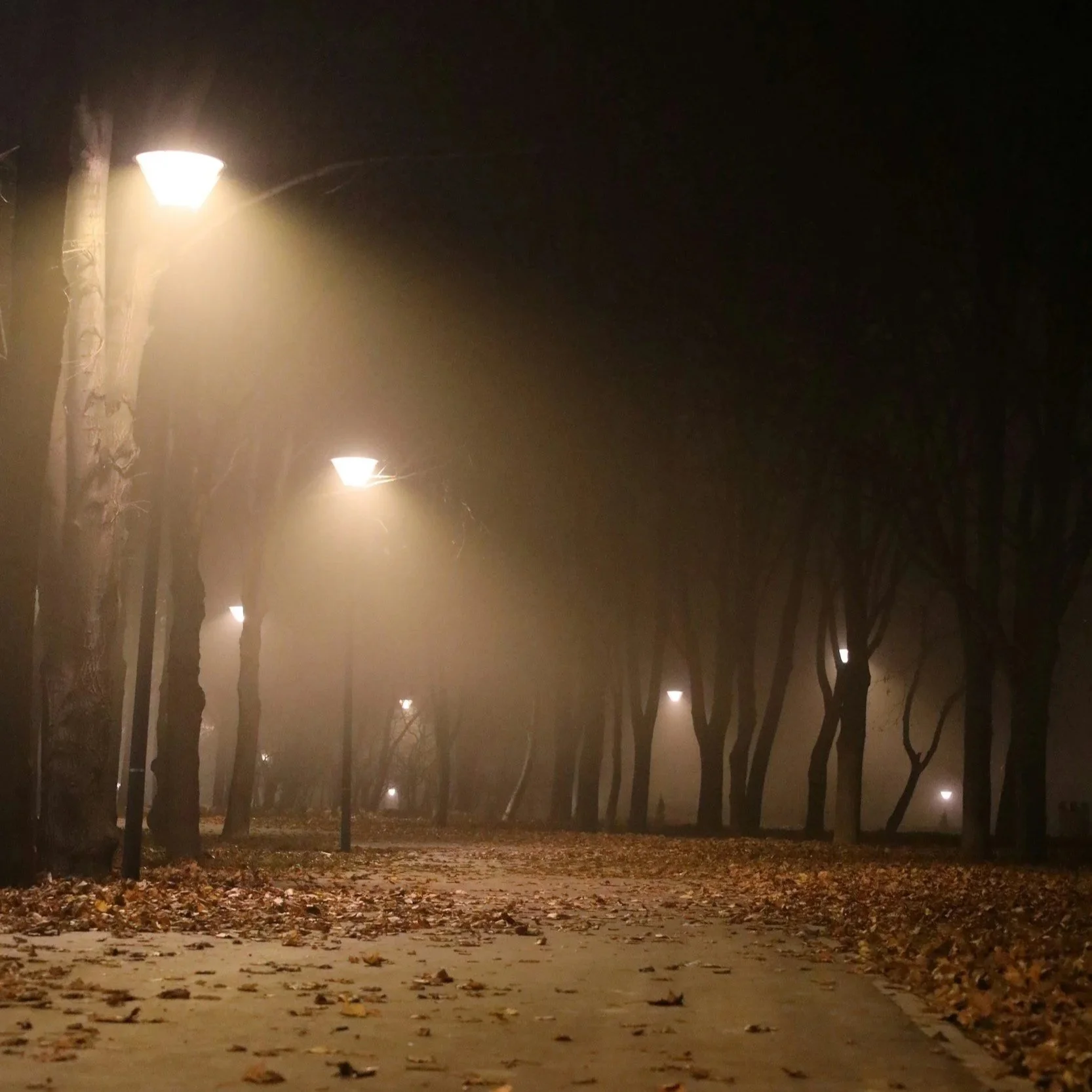
Our bodies run on light. It sets our internal clock, shapes our sleep, and drives the chemistry of our mood. When the evenings draw in and the mornings stay dark, a sensitive system can lose its footing. Sleep drifts. Energy sinks. Mood dips. For neurodivergent people, who often already have a more fragile relationship with sleep and routine, this seasonal shift can be genuinely destabilising.
What you are experiencing is not a personal failing. It is a body responding, quite reasonably, to less of the light it depends upon.
You may feel drawn to do less, hunker down and cosy into your lounge or early bedtime. Go with it. It is your body responding to the reduction in available light.
Think of yourself like a tree. Our beautiful deciduous trees go into a kind of hibernation in the winter, ready to reawaken in spring. It’s okay that you do the same.
Small anchors that hold the day together
When the outer rhythm wobbles, it helps to build your own.
Here are a few gentle suggestions to build your own rhythm into a day that has lost much of its light.
Try to catch daylight early, getting outside in the brightest part of the morning if you possibly can, even briefly, even under grey skies.
This gives your body clock its strongest single cue.
Keep your wake and sleep times as steady as you are able, since regularity soothes a system that has lost its external scaffolding.
In the evenings, lean into the darkness rather than fighting it.
Lower, warmer lighting as the night comes in tells your body that rest is on its way.
Screens dimmed or set aside in the last hour, if you can manage it.
These are not rules to feel guilty about breaking. They are gentle supports, to be used as much or as little as your real life allows.
Let autumn rewrite your expectations
Perhaps the most important adjustment is not practical but internal. Autumn is not the season for pushing at full capacity. If your energy drops as the light does, that is your body syncing with the turning year, not letting you down.
Expecting less of yourself in the darker months is not defeat. It is wisdom, the same wisdom that sends so much of the natural world into rest and retreat. You are allowed to move with the season rather than against it.
If pacing yourself through the seasons is something you find hard, I have written before about protecting your energy through demanding stretches of the year, which you may find a useful companion to this piece over on the Healing Journal.
Or, you might like to treat yourself to my gentle book, The Little Book of Somatic Healing, which you can buy as a paperback companion guide, small enough to fit in your pocket.