There is a rhythm in the natural world that humans have forgotten how to follow. In autumn, the world begins to withdraw. Leaves fall, animals slow down, the whole landscape turns towards rest.
And yet humans are required to carry on at exactly the same pace, all year round, as though we were machines rather than creatures.
For neurodivergent people, who often feel the seasons keenly and burn more energy simply getting through a day, this refusal to slow can be be one demand too many for our sometimes sensitive bodies.
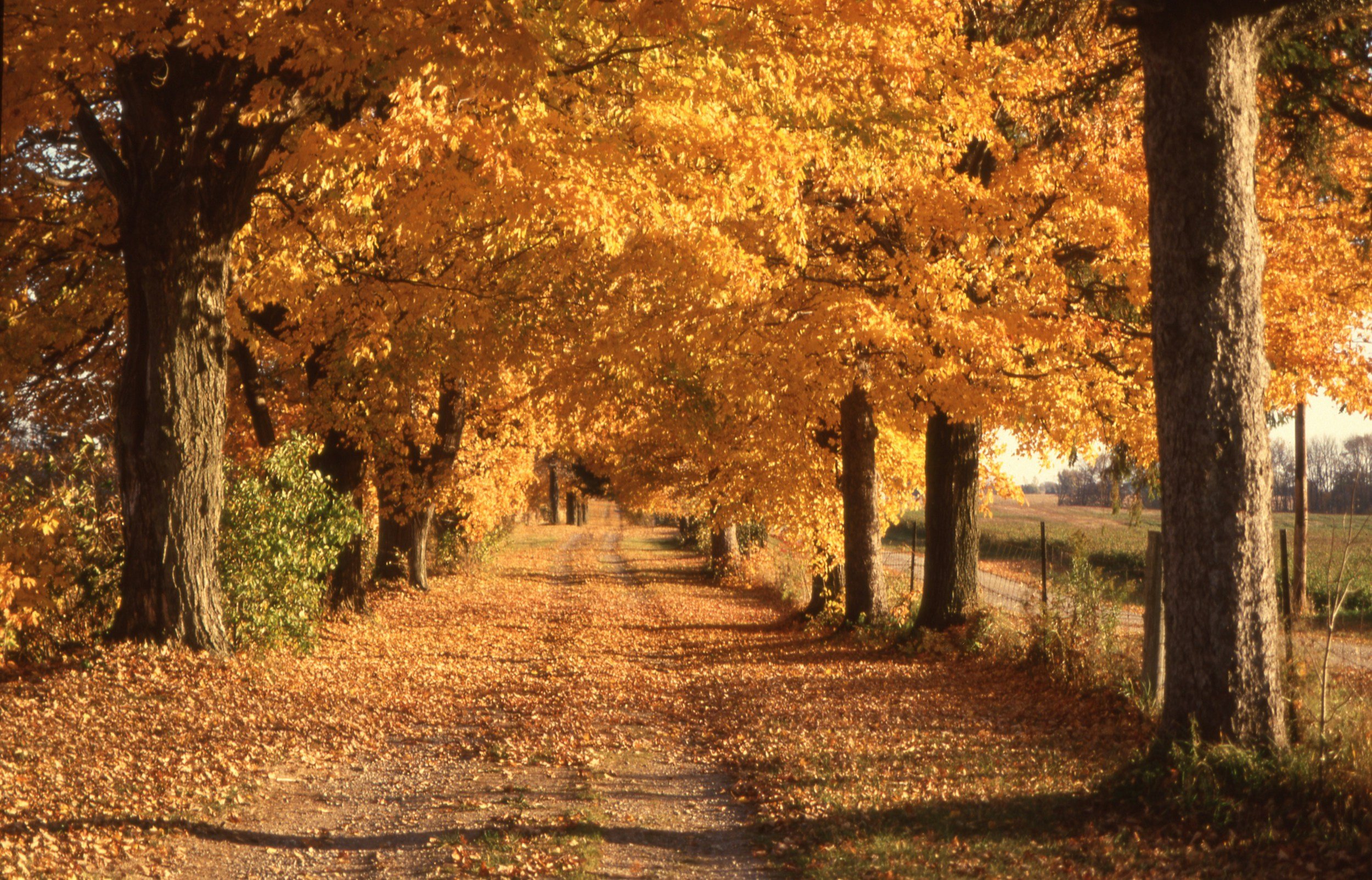
We are part of nature, not apart from it
Somewhere along the way, modern life sold us the idea that we should be equally productive in December as in June. But we are animals, shaped by millions of years of living in tune with the seasons. Our energy is meant to rise and fall with the light. When we override that entirely, we pay for it, in burnout, in low mood, in the sense of dragging ourselves through months that our bodies were designed to spend in retreat.
Our ancestors slowed down in the winter months to conserve energy while there were limited resources around. As a species, we’ve survived ice ages, and those of us living in the northern hemisphere have adapted to really hunkering down during those long, cold winter nights.
Autumn is the body's cue to begin drawing inward. For a sensitive system, honouring that cue is not indulgence. It is basic maintenance.
What slowing down can actually look like
Slowing down does not mean stopping your life. Few of us can. It means adjusting the dial where you have any room to do so. Fewer commitments in the diary through the darker months. More evenings at home without apology. Gentler forms of movement as the cold sets in. Permission to hibernate a little, to want soup and blankets and early nights, to let the social calendar thin out.
It can also mean redefining what a good day looks like. In spring or summer a good day might be full and busy. In autumn and winter a good day might be quiet, warm, and small, and that is not a lesser day. It is a day that fits the season.
Letting go of the guilt
The hardest part of this is almost never the practical side. It is the guilt. The voice that says you should be doing more, keeping up, pushing through. I would gently invite you to question that voice this autumn.
Where did it come from?
Whose standard is it holding you to?
I would say it is modern society saying that we should be equally productive all year round. Capitalism has a lot to answer for in terms of how often otherwise healthy people are burning out.
A neurodivergent body slowing down as the year darkens is not failing. It is doing exactly what a wise creature does. This autumn, see if you can give yourself the radical permission to rest as the world rests, and to trust that your energy will return with the light.
Making this shift a ritual
It can be lovely to make this natural shift in light something that you honour through ritual. Here are some suggestions, based upon how your body may be feeling through this time. You can do one small thing each day, or combine two or three to make a soft and gentle ritual to ease body and mind.
Mentally Tired | Walk In Nature
Nature, birdsong, the smell of fresh air, being amongst the trees has a deeply nourishing effect on our nervous system. Walking is a natural bilateral stimulation, that helps us integrate logic and emotion. This is why so often, going for a walk can help us figure out our problems.
Nature also provides a vibrational quality, as well as natural compounds produced by trees, that stimulates our immune system and activates our parasympathetic nervous system, encouraging rest within the body.
Turn it into a ritual… by walking more slowly, noticing the breeze and the way it moves leaves and branches, and listening to the birds.
Physically Tired | Read A Book
Physical tiredness is different to mental exhaustion. When we are physically tired, there are different physiological effects at play. While we may still feel mentally tired, that bone weary feeling we get when we’ve been active all day is a different kind of tiredness. It’s more dorsal vagal / parasympathetic, meaning that we are more relaxed. Whereas mental exhaustion is often related more to being highly stimulated or stressed.
If you are physically tired, you need to rest. So grab a book, or watch a good movie or TV show that makes you laugh. A short nap is also good to reset the body.
Turn it into a ritual… by snuggling under a favourite blanket with a cup of fragrant tea. Combines well with a walk first, then cosying up afterwards.
Anxious or Guilty
Anxiety is a nervous system response to stress and uncertainty. Guilt is a nervous system response to turning away from demand and obligation and prioritising yourself. It can be helpful to use mindfulness when you’re feeling anxious or guilty.
This isn’t about fighting your feelings. Nor are you simply giving into them. Mindfulness encourages us to notice, non-judgementally, that we are experiencing a sensation in the body. It invites you to pay attention to how you’re feeling with kindness and compassion. To be curious.
Practiced regularly, this approach has been shown to reduce anxiety and feelings of guilt and pressure to perform. You can turn any moment into a moment of mindfulness. Doing a task more slowly, with more focus on what you’re actually doing rather than being stuck in your thoughts, is being more mindful.
Turn it into a ritual…
Set an intention for your day or the next hour. Let the intention be something like slowing down, honouring your body, or finding enjoyment in a simple activity.
Choose an activity that is soothing and calming, like meditation. Or gently sorting through a drawer of clothes, photos, or doing some small, easy to complete activity like dusting a bookshelf.
Light a candle, incense or put on a diffuser to soften the lighting and bring a beautiful scent into your space. Put on some soft music.
Take your time and slow it down. Be conscious and intentional about every move you make. Connect with your breath as you slowly move through your chosen activity.
Stressed or Pressured | Move to Music
You can do yoga, Pilates, dance of any kind, or intuitive movement. This is just a moment of tapping into our endorphins through movement. It can be fast, slow, deliberate, wild, contained, choreographed, spontaneous. There are no rules to moving with the heart and letting your mood choose the music and the music guide your movement.
Turn it into a ritual… by turning up the volume and moving with joy through your home. Combine it with mindfulness to get into a deeply meditative state, allowing you to access the healing power of the theta brainwave state.
Uncertain | Practice Curiosity
I talk about curiosity a lot because I genuinely believe that you can’t be judgemental about yourself when we are being truly curious. Finally, that harsh inner critic can finally find some peace.
Being curious invites exploration. A wondering in the purest sense. We can ask ourselves questions: why? when? who with? what for? who for? And see what comes up. With open curiosity, we can gently find answers to things we didn’t even know we wanted answering.
Turn it into a ritual… by buying a beautiful journal and a pen that writes really well and spending a few minutes writing down your thoughts and ideas.
Combine it with mindfulness and movement to unlock deeper reflections from your subconscious. Then take some time to rest.
Overthinking | Body Scan
A body scan is a great way to reconnect with your body and feel more grounded. If you are stuck with swirling thoughts and over thinking, then this can really help you switch off your head and get into your body.
To do a body scan, sit comfortably ideally with your feet flat on the floor. Close your eyes or lower your gaze and let your attention focus inwards. Starting at the top of your head, slowly sense how each of your body parts is feeling and note any sensations you experience.
This is a noticing exercise, think of yourself as an observer. There is no pressure to change anything, feel into your body and take the time to notice how it is feeling and what sensations are present.
Turn it into a ritual… by lighting a scented candle, burning incense, or diffusing essential oils. You can have some gentle music on in the background.
Combine with moving to music first to release any held feelings within the body. Afterwards, you could go for a walk in nature if you experience any mental tiredness.
Irritable or Angry | Take a Long Exhale
A longer exhalation encourages the autonomic nervous system to relax and become less guarded and hypervigilant. When we feel on edge, angry, or irritable it can be sign our nervous system is activated into the sympathetic or fight/flight state.
Find somewhere quiet to be by yourself for a moment. Breathe in for 4 counts and out for 6 or 8 counts. Repeat until you feel calmer and more grounded.
Turn it into a ritual… by getting out your yoga mat and putting on some music you love. Combine with a cat cow pose with the 4-8 count breath to move the angry energy through the body.
You can combine this with the moving intuitively to music for a longer moment with your body. Use the movement to explore sensations and feelings, then the breath to help you re-centre and calm into your parasympathetic nervous system.
If learning to work with your own rhythms rather than against them is something you would like real support with, my somatic therapeutic coaching offers a warm, unhurried space to do exactly that, and there is a free consultation whenever you feel ready.