Radical Rest: Why Doing Nothing Is a Skill Worth Learning
Rest sounds like the easiest thing in the world until you actually try to do it. If you are neurodivergent, or perimenopausal, or living with a body that flares and fluctuates, you may know the particular frustration of being utterly exhausted and completely unable to stop. The body is spent, but the mind will not power down. Guilt hovers. There is always something you should be doing instead.
Over the summer, when the usual structures fall away and the demands somehow multiply, learning to rest properly stops being a luxury and becomes a genuine survival skill.
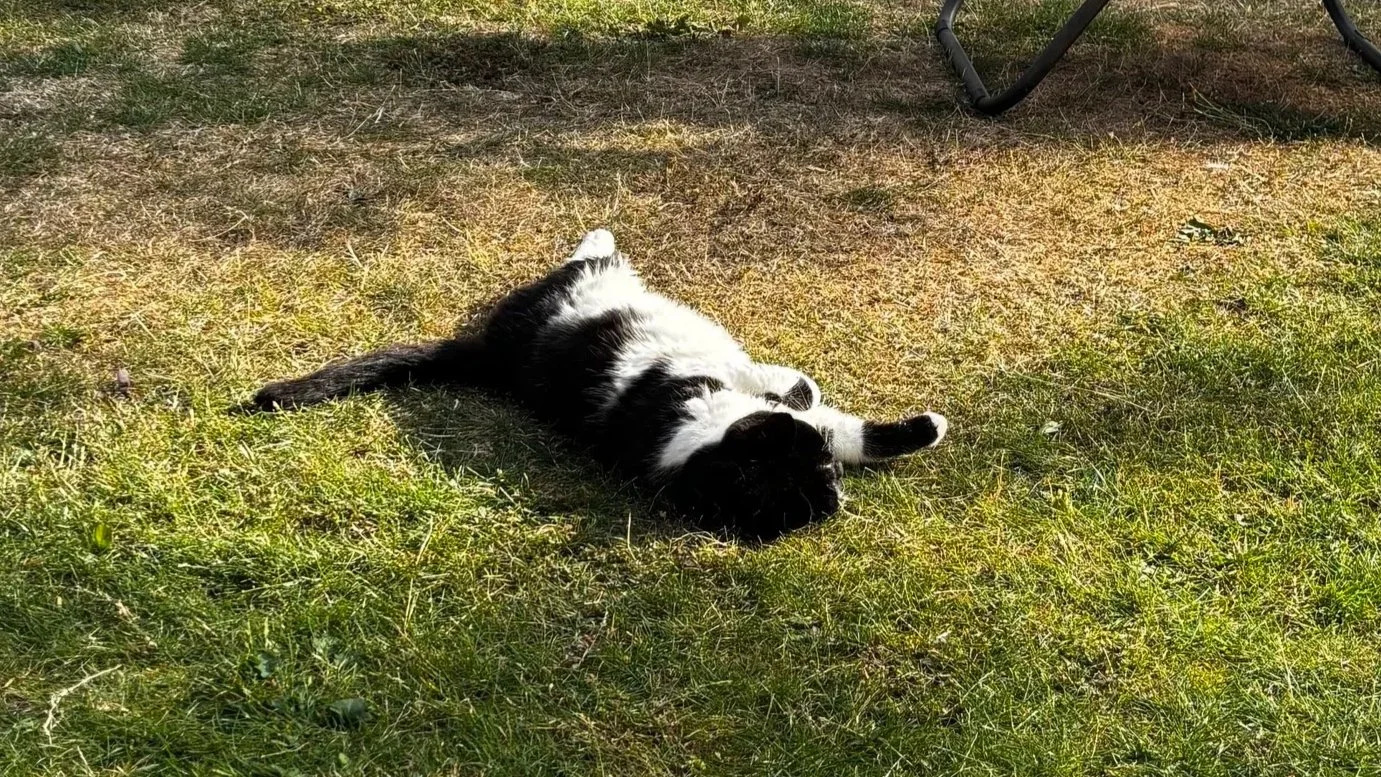
Be more cat (specifically Nessie). Radically rest.
Why rest is so hard for us
For many neurodivergent people, the nervous system runs a little hot as standard. Stillness can feel unsafe rather than soothing, because the moment we stop, all the sensations and feelings we were outrunning finally catch up. Add a perimenopausal system with its shifting hormones and its own exhaustion, or a condition like MCAS or hypermobility that keeps the body on constant alert, and you have a system that is tired but wired, aching to stop yet afraid to.
There is also the shame. Many of us absorbed early on that our worth is tied to productivity, that resting must be earned. So we treat rest as the reward at the end of an endless list that never quite ends.
Rest that suits a busy nervous system
If lying still and doing nothing feels impossible, do not start there. A restless system often rests better with a small amount of gentle input rather than none.
That might be lying down with a familiar, undemanding programme, podcast, or audiobook playing quietly in the background or through headphones. It might be a warm bath, or a slow walk somewhere green where nothing is asked of you. It might be lying under something heavy with your eyes closed while music you love plays. The aim is not to force emptiness. It is to lower the demand until your body finally believes it is allowed to soften.
Rest is repair, not reward
I want to gently challenge the idea that rest must be earned. Rest is not the prize for depleting yourself. It is the process by which a body repairs, a nervous system settles, and a depleted person becomes able to meet their life again. You do not rest because you have done enough. You rest because you are a living creature, and living creatures need to.
Be more cat. They do not apologise or feeling guilty for radically resting. They know their bodies have to rest to digest their food and replenish their energy for the zoomies later.
This summer, see if you can let one afternoon be genuinely, unapologetically empty. Not as a treat you have bought with productivity, but as something your body is simply owed.
If you find it hard to switch off and would like support learning to regulate and rest, my Soft Landing Programme is the perfect place to start and is a slow, gentle space designed with sensitive nervous systems in mind.