We tend to think of grief as something that follows a death. Someone we love dies, and we grieve them, and the world, for a little while at least, makes room for that. But so much of the grief we carry has no death attached to it, and no name, and no ritual to hold it.
The friendship that quietly faded.
The health you used to have.
The version of your life you thought you were going to live.
These losses are real, and they ache, and yet we so often tell ourselves we have no right to grieve them. I want to gently say otherwise.
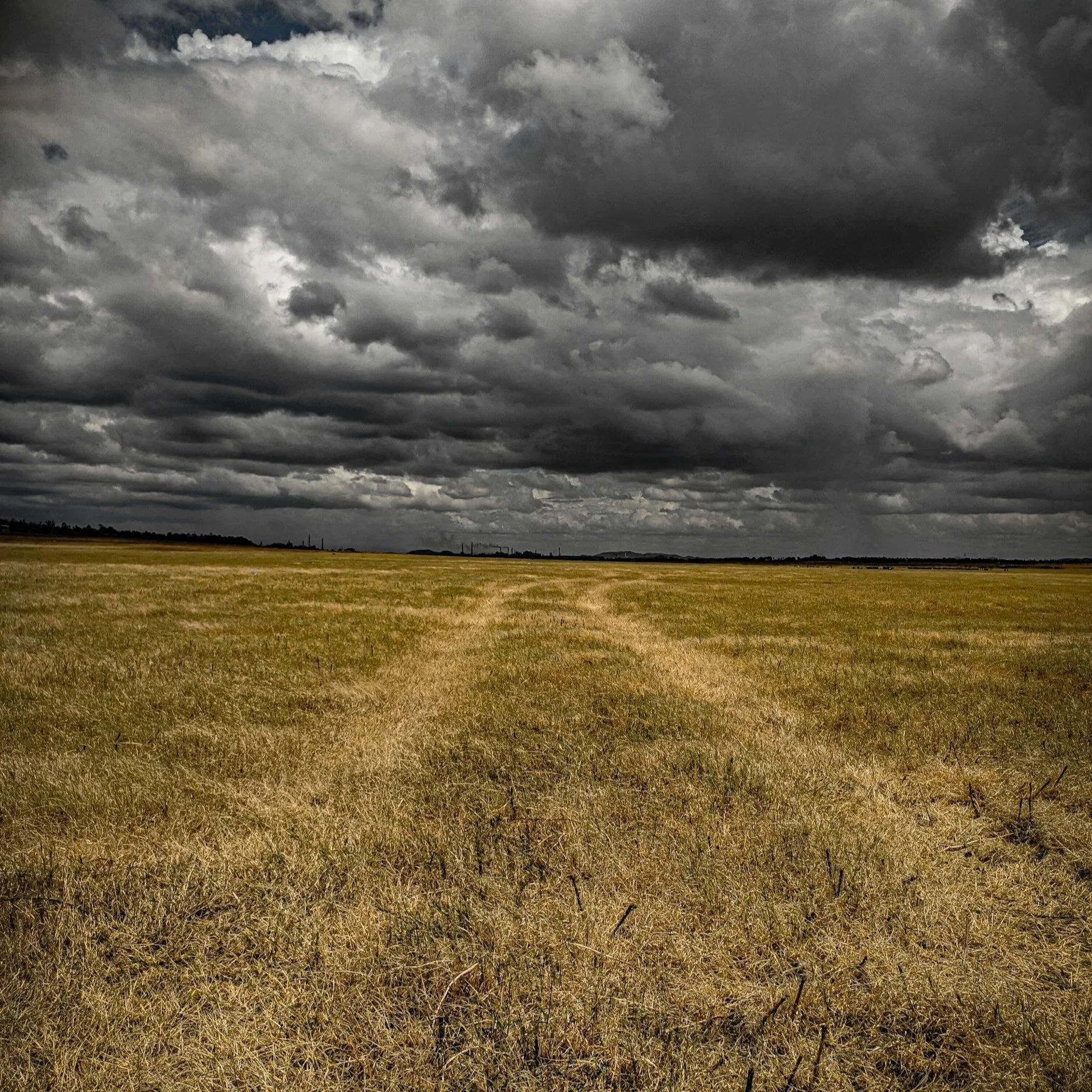
Unnamed grief is still grief
There is a phrase for this in the therapy world, disenfranchised grief, which describes the losses that society does not fully recognise and so does not give us permission to take space and time to mourn. The end of a relationship that was never official. A move away from a place you loved. The slow loss of who you were before illness, or before loss itself changed you. Because no one died, we assume the grief does not count, and we swallow it, and it sits in the body with nowhere to go.
But the body holds onto it even if the mind insists it should not. Grief that is not allowed to be felt does not disappear. It settles into the tissues as tension, as exhaustion, as a low and nameless sadness we cannot quite explain.
Naming a loss as grief, even quietly, even only to yourself, is often the first and most important act of honouring it.
And honouring any emotional state, is the first step to moving through it, and rebuilding our life around it.
A somatic practice to make space for the loss
When grief has no name and no outlet, the body can be a place to let it be felt safely. This is a small practice you can do alone, somewhere you will not be disturbed. Set your space up to be calm and nurturing, perhaps with some essential oil diffusing, soft candlelight, and with gentle music.
Prepare
Sit or lie down somewhere comfortable and let your body settle. Place one hand gently on your chest or your belly, wherever feels most natural. Then bring to mind, softly, the thing you have lost. You do not need to force any feeling. Simply hold it in your awareness, and notice what happens in your body.
Notice
Maybe you notice a tightening in the throat, a heaviness in the chest, a welling behind the eyes.
Wherever the sensation lives, let your hand rest near it, and breathe, letting your out breath be slow and unhurried.
You are not trying to fix anything or make the feeling go. You are simply keeping the loss company in your own body, letting it be acknowledged at last. If tears come, let them. If nothing comes, that is fine too. The act of turning towards the loss with kindness is the whole of the practice.
Journal prompts
After you’ve tuned into the sensation, and if it feels right to do so, take time to do a little journalling. These can be written in a favourite book, on your phone, or spoken aloud. Let these be invitations, not tasks. Write or speak only what wants to come.
What have I lost that I have never let myself call grief?
If this loss could speak, what would it want me to know?
What would it mean to give myself permission to mourn this?
A gentle close through permission
Unnamed grief asks very little of us, in the end. Only to be acknowledged. Only to be allowed. You do not need anyone else to validate a loss for it to be real.
You are allowed to grieve the things that mattered to you, whether or not the world agrees they were worth grieving. In fact, letting yourself feel these quiet losses is one of the most honest and healing things you can do.
If you are feeling a little lost in your grief, then I invite you to explore my latest offering. I am training in the STILL method of grief coaching and blending it with my other modalities to offer Somatic Grief Coaching, to provide this important aspect of support for the women I work with.