A Somatic First Response to Emotional Overwhelm
There is a particular kind of overwhelm that arrives all at once. One moment you are coping, or at least holding the shape of coping, and the next the whole thing has tipped over and you are underneath it. Your thoughts speed up or shut down. Your chest tightens. The room feels too loud, too bright, too full. And the advice you have heard a hundred times, to take a deep breath and calm down, feels almost insulting, because if it were that simple you would have done it already.
I want to offer you something different. Not a fix, because overwhelm is not a fault to be corrected, but a first response. Something to do with your body when your mind has run out of road.
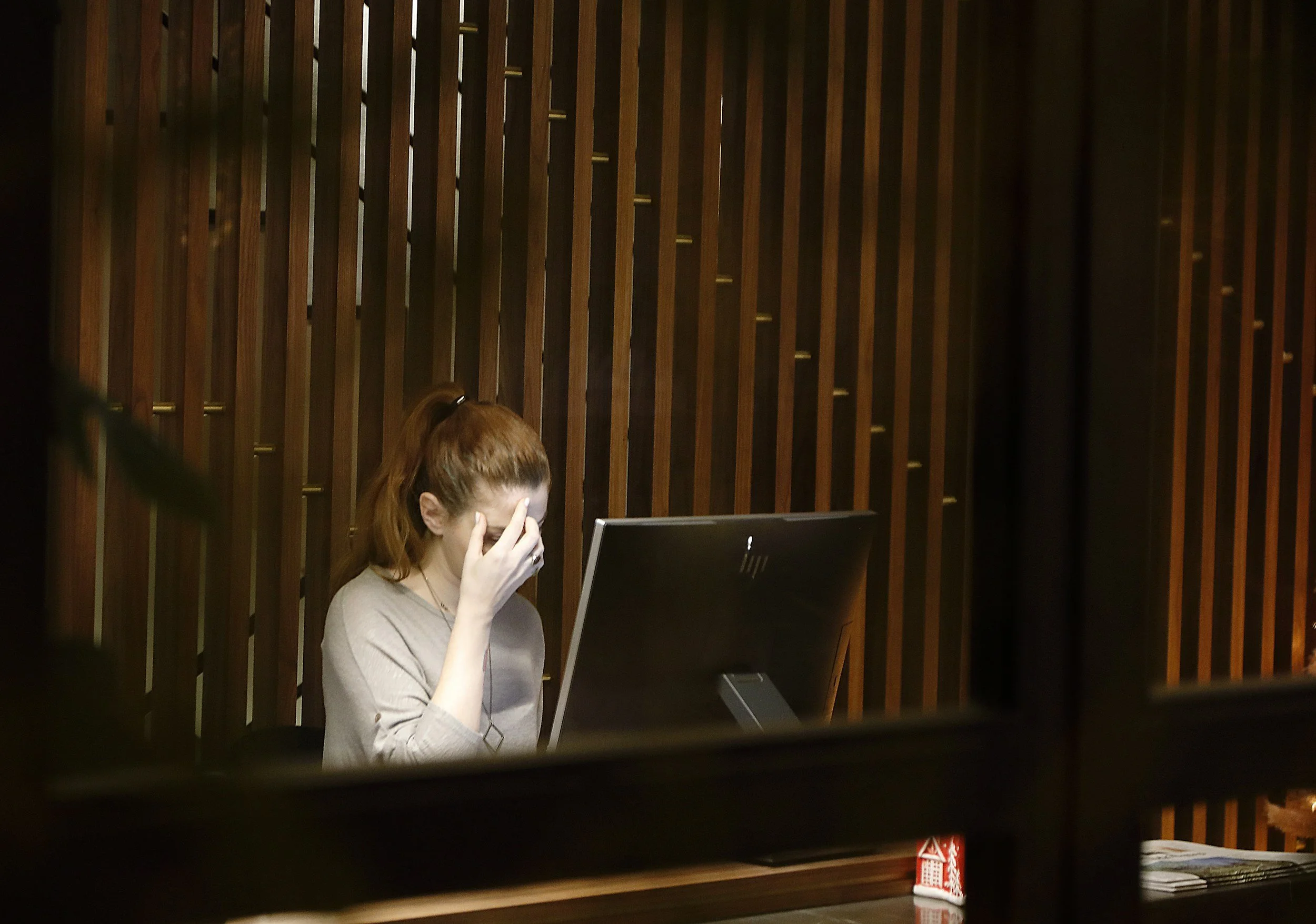
Overwhelm is not a thinking problem
When we are overwhelmed, we often try to think our way out. We reason, we plan, we tell ourselves to get a grip. But overwhelm lives in the nervous system, not the intellect. Your body has decided, on the basis of everything it has ever learned, that there is too much coming in and not enough safety to meet it. No amount of clever thinking will convince a nervous system that has already sounded the alarm. The body needs to feel the shift before the mind will follow.
This is doubly true if you are neurodivergent. A brain that processes sensory input differently is often working harder, all day, just to stay in the room. So when overwhelm comes, it is rarely because you are weak or dramatic. It is because your system has been carrying a fuller load than anyone around you can see.
The first response: get lower and slower
When overwhelm hits, you do not need to do more. You need to do less, and to do it lower and slower.
Lower means, if you can, getting closer to the ground. Sit down. Lie down. Put your back against a wall and slide down it until you are sitting on the floor. There is nothing childish about this. The ground is the most stable thing in the room, and your body knows it. Have you ever found yourself doing this automatically when you’re overwhelmed? When we pay attention to what our body does for us automatically, it often gives us the cues we need to work more intentionally. Lowering your centre of gravity sends a soft message to your brain that you are not about to run, which is one of the first steps out of a fight or flight state.
Slower means letting your exhale become longer than your inhale. Not a big theatrical breath. A small, ordinary out breath that lasts just a little longer than the one before it. The long exhale is one of the few direct levers we have on the nervous system, because it gently stimulates the vagus nerve and tells the body that the emergency can begin to stand down.
Try this: have your left hand resting on your left knee and your right hand resting on your right knee. Tap your left fingers, 1, 2, 3 as you inhale. Tap your right fingers, 1, 2, 3, 4 as you exhale.
If breathing is too hard to focus on, then simply bring your knees up, rest your arms on them, and rest your head on your knees. If you need to cry, then do it. Crying is emotional release and very healing.
Give your senses one thing, not none
A common instinct is to shut everything out. Sometimes that is exactly right, and if you can get to a dark, quiet room, do. But if you cannot, try giving your senses one single thing to hold rather than the impossible task of processing all of it.
One texture under your fingers. One point on the wall to rest your eyes. One sound to follow, even if it is only the hum of the fridge. You are not trying to relax. You are simply narrowing the field of sensory input so your system has less to defend against.
Afterwards, be very kind
When the wave passes, and it will, resist the urge to interrogate yourself about how it happened or what you did wrong. Overwhelm takes a great deal out of the body. What it needs next is rest, warmth, water (and if you’re hypermobile, electrolytes if you have them), and a version of you that speaks gently. You met something hard and you are still here. That is not nothing. That is the whole thing.
If you would like a different perspective of sensory overwhelm, you can read my novella, Little Bird. It explores what emotional overwhelm feels like within a family where the world is too loud, too bright, and too demanding.