Why Autumn Effects a Neurodivergent, Sensitive Body the Most
Autumn arrives quietly and then all at once. This year, September bought some much-needed respite from the onslaught of relentless heat through the 2026 summer. It rained and the grass turned green again, what a relief. But as the days begin to shorten, the mornings turning cool and damp, and the loose rhythm of summer tightens back into schedules and demands.
For a lot of people this is a season of cosy pleasures. If you are neurodivergent, perimenopausal, hypermobile, or living with MCAS or POTS, it can also be a season that knocks you sideways, often before you have consciously noticed why. I know I spent years with cyclical burnout relentlessly returning every Autumn. And it was only when I tracked it that I realised it was happening consistently each year.
If the turn of autumn leaves you flatter, achier, or more frayed than the calendar seems to justify, you are not imagining it. I feel it too, every year.
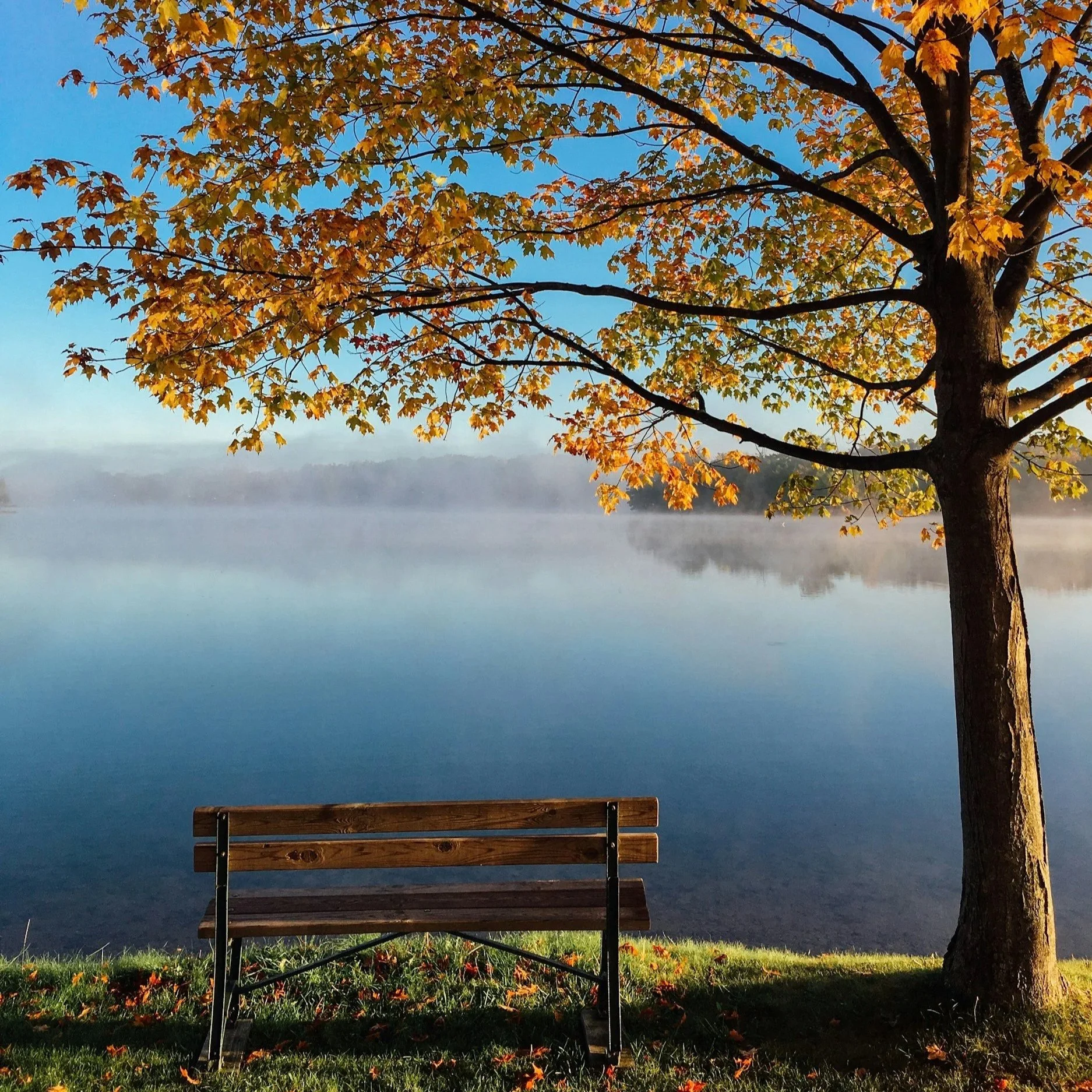
Seasonal change is a real demand, not a mood
Let us start by clearing away the guilt.
If you struggle as the seasons shift while others seem to sail through, that is not fragility and it is not you being difficult. Seasonal change asks a great deal of a sensitive system.
The dropping light affects mood, sleep, and the body clock. Falling temperatures and damp can stiffen hypermobile joints and stir up pain. Shifts in air pressure and cooler air can be triggers in their own right for an MCAS body, and cold is hard work for a POTS system trying to regulate circulation. Layer a perimenopausal system, already navigating its own upheaval, on top of all that, and it is no wonder autumn can feel like walking uphill.
So if you feel worse as the season turns, believe yourself. Your body is responding to a genuine change in its conditions, not inventing a problem.
The nervous system feels the loss of light
There is something else that happens as the light fades, something less physical and harder to name. Many sensitive people feel a low tug of melancholy in autumn, a kind of grief that has no obvious object. The world is drawing inward and dying back, and a finely tuned nervous system feels that shift in the body. This is not a fault. It is attunement. You are simply someone who feels the turning of the year in your own tissue.
I actually felt this in the summer too. The birds went completely silent in that searing heat. As the forests and peat bogs burned, the animals and birds hid themselves. There was something deeply unsettling about the silence.
Then the rains returned and the heat turned down and my garden recovered. It’s like a second spring here in the UK right now and it’s beautiful. So the slow decline hasn’t begun yet. I know it is coming, that moment when the leaves drop, the summer song birds migrate to their winter haunts, and the winds return.
Meeting autumn instead of fighting it
When the slowing down finally does arrive, the kindest thing you can do is stop asking your body to perform spring in autumn conditions. Autumn is an invitation to draw inward, and you are allowed to accept it. Warmth where you can find it, earlier nights without apology, gentle movement to keep stiff joints mobile, and one or two steadying anchors in the day so there is always something predictable to come home to.
You are allowed to slow as the season slows. A softer autumn that leaves you intact is worth far more than a full one that empties you out before winter has even begun.
Cycle syncing applies not only to our hormonal cycle, but to the seasonal ones, too. Our bodies are meant to slow down and pause through the winter months, just like the trees do. We are part of nature, after all, and so we are right to connect with it and let it be our guide.
If you are drawn to understanding your body more as a neurodivergent, somadivergent human, then perhaps you’d like to find out more about my new self-help book, A Gentle Guide to Menopause and Perimenopause. It’s written especially for those of us with sensitive bodies and nervous systems and includes accessible, beautiful somatic practices to nurture body and mind.