Breathwork for Women Who Are Battling the Burnout
For the neurodivergent woman or those living with chronic illness, exhaustion is almost never about needing more sleep. It is often a total systemic shutdown. The result of having to mask your natural traits to fit in, sensory overload, or a prolonged health flare.
This systemic shutdown is your nervous system stuck in high alert for days or weeks. When you are marooned in fight-flight, your breathing becomes faster, more shallow and chest-based. This signals to your brain that the danger is still present, keeping you trapped in a loop of anxiety leading to fatigue.
Restorative breathwork isn't about fixing you. You’re not broken! it’s about signalling to your body that is it safe, so it can finally begin to refill the well.
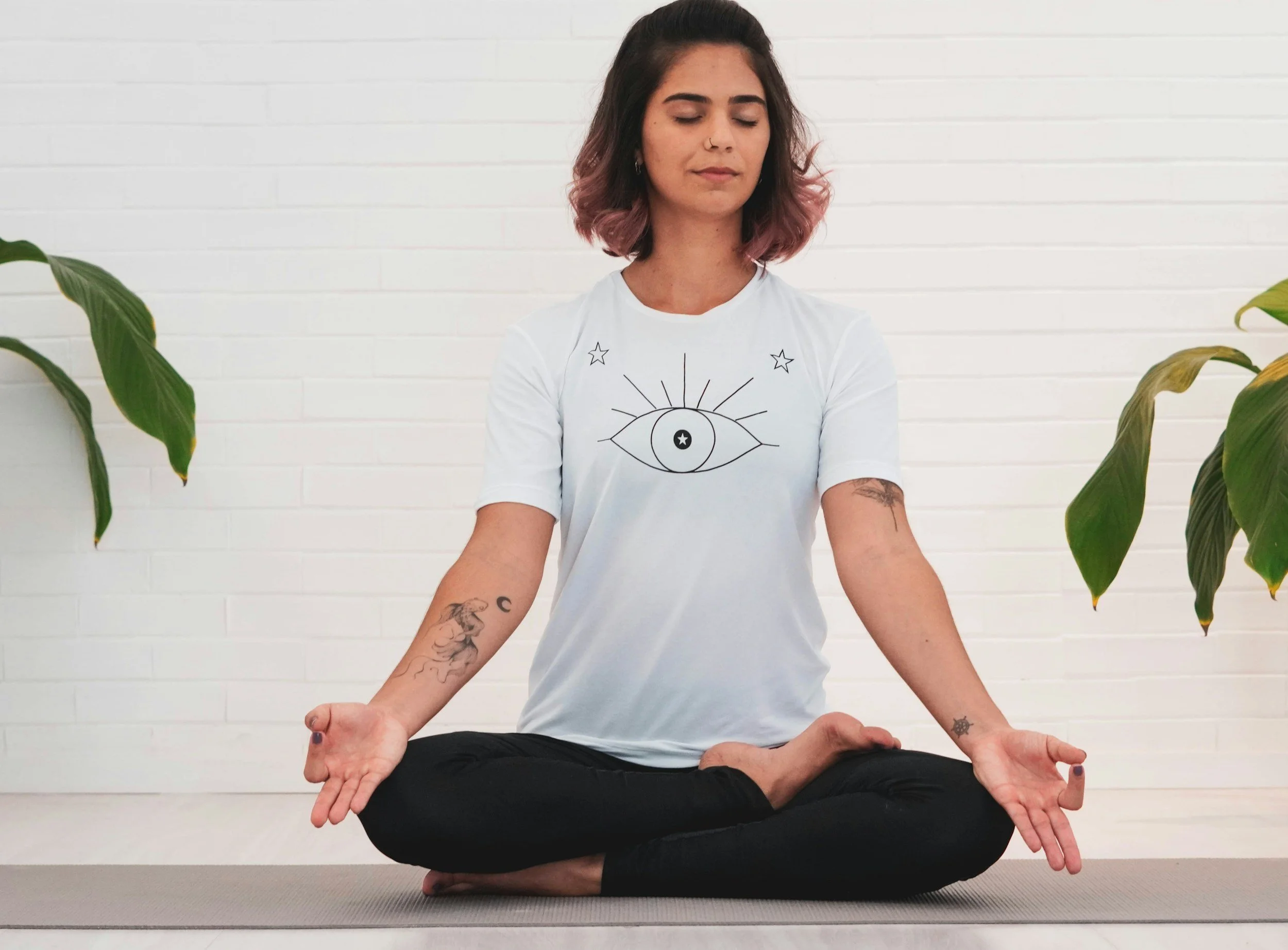
Shifting from Survival to Recovery
In the context of burnout, we aren't looking for energising breaths that might overstimulate an already fried system. We are looking for Low, Slow, and Flowing breaths.
The objective is to stimulate the Vagus Nerve, the on-switch for your parasympathetic nervous system (where we rest-and-digest). By consciously altering your breath, you bypass the cognitive noise of burnout and speak directly to your physiology.
Restorative Breath Techniques
If you are currently experiencing high sensory sensitivity or physical pain, choose the method that feels the least demanding. Demand can feel very triggering to an already overwhelmed system. In the context of neurodivergence, demand represents a threat to your autonomy and a sense of unsafety. So we must go gently.
These practices are best done every day and only take a few moments. You can also do them after a meltdown or period of intense reactive stress.
The 4-8 Exhale Focus
This is usually the most accessible of these breathing techniques because a longer exhale can often be more accessible than focusing on the inhale.
Inhale through the nose for four counts, exhale slowly through pursed lips for eight counts. You can make a whooshing sound as you exhale.
Why it Works for Burnout: Long exhales lower the heart rate and clear out the fight-or-flight chemicals of cortisol and adrenaline, encouraging a release of serotonin.
Humming Bee Breath
If any kind of concentrated extended breath makes you feel panicky, then this technique is a great alternative.
Firstly, gently place your index finger over the earlobes, pressing lightly just behind the jaw. Inhale, then make a low "mmm" humming sound as you slowly exhale, keeping the fingers in place.
Why it Works for Burnout:The vibration is a somatic hack that soothes the nervous system and blocks out external sensory noise. It tones the vagus nerve directly as the nerve passes around the ear. Pressing the fingers into the ears helps with this, and enhances the vibrations. You can also do this with eyes closed for enhanced effect.
Softened Box Breathing
This is another purely breath-based practice. You can adjust the count to suit your current lung capacity and ability to pull the breath into the diaphragm. I use a softened version so that it feels more gentle with a shorter pause after the exhale rather than a true box breath that requires holding for 4 counts.
If you can’t hold your breath, then I advise trying humming bee first and then moving onto extended exhale before coming back to this one in a few weeks.
Inhale for 4 counts, Hold for 4 counts, Exhale for 4 counts, Pause.
Why it Works for Burnout: Provides a rhythmic, predictable structure that can be grounding when the mind feels chaotic.
Sensory Considerations
Standard breathwork advice can sometimes feel wrong or overstimulating for neurodivergent folk. Here is how to adapt the practice:
Ditch the Ideal Posture: If sitting upright is painful or exhausting, do your breathwork lying down with a weighted blanket. Comfort is the priority.
Eyes Open or Closed: Some find closing their eyes helps them focus, others find it increases internal visual noise or sensations of anxiety in the body. Do what feels safest.
Acknowledge the Air: If the sensation of air moving in your nose is a sensory ick, try one of these:
Breathe through a thin straw
Focus on belly-breathing without emphasising the nostrils
Use ocean breath, which is where you narrow the throat passage as you breath in as if you’re doing a yawn with your mouth closed. This centres the sensation into the throat instead of the nostrils.
If you have a chronic illness like POTS (Postural Orthostatic Tachycardia Syndrome), avoid any breath-holding techniques that make you feel lightheaded. Always prioritise your body's specific cues over the rules of the exercise.
Creating a low demand Refill Ritual
Recovery doesn't happen in a single session. To recover from intense masking, try a Transition Breath ritual when you get finish or return home from work, socialising or being out. Spend a few minutes practicing one of the breath techniques of your choice immediately after getting home or closing your laptop.
If you found this article helpful, I encourage you to sign up to my weekly somatic practice email. Each week I share gentle, body-based practices to support your nervous system to feel safe. Sign up below.