Navigating Loss in the Season of Celebration
My reflections on the challenges of this time of year continue. This time we look at grief and loss.
The holidays are synonymous with a sense of fullness: full tables, full schedules, and perhaps even a heart full of cheer. But for anyone carrying loss of any kind, whether it’s a loved one passing on, the end of a friendship, changes at work, a new job or loss of an old one, or losing a much-loved pet, this season is instead defined by emptiness. Grief doesn't stop for carols and twinkling lights. In fact, the enforced celebration often makes the pain feel sharper, louder, and more isolating.
Grief is not limited to the loss of a loved one. It includes the loss of a job, the end of a long-term relationship, the inability to uphold cherished traditions, or even the loss of a stable, predictable way of life. Feelings that may be particularly resonant after a globally challenging year.
Whatever the cause, the relentless pressure to celebrate can turn a time of supposed comfort into one of deep internal struggle as we try to show up but end up feeling lonely and conflicted.
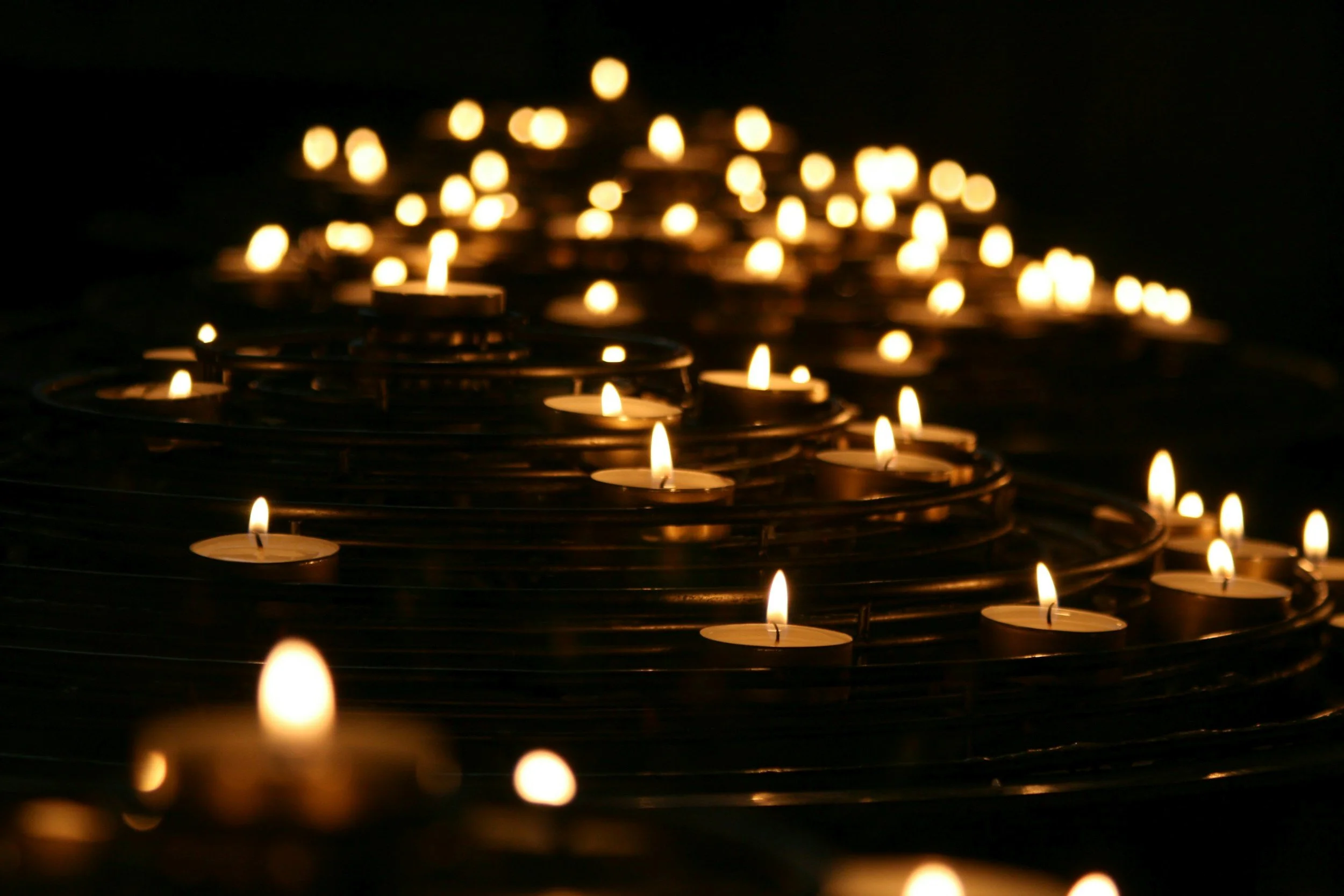
Profound Sorrow
Holiday traditions are built upon repetition and familiarity. We look forward to our own special dishes, predictable routines, and the reliable presence of people and places. This is why this season can so starkly highlight the absences in our lives.
When you set the table, your eyes involuntarily land on the seat that should be filled. When you pull out the familiar decorations, you see the ornament they always loved. The tradition, which should be a source of warmth, becomes a painful reminder of what is missing.
For those grieving the loss of a relationship or a sense of normalcy, the effect is similar. The annual office party highlights the end of a career. Seeing couples holding hands at the market brings up the pain of a recent breakup. Someone walking their dog reminds you poignantly of your missing animal buddy.
The greater the gap between the festive ideal and your current reality, the more profound the sorrow. It feels as if your grief is being amplified and reflected back at you by the entire world.
Grief Doesn't Take a Holiday Break
Despite what we’re told, grief doesn’t follow a nice neat process. It certainly doesn’t stick to a schedule. How you respond, when, and for how long are uniquely yours. There is no right or wrong way to grieve. Only that you do let yourself grieve. Remember the loss, allow yourself to feel it, see it, and hold space for it.
This year, individual sorrow is also compounded by collective trauma. We’ve been managing this for at least five years, since Covid traumatised us all. But possibly even before that. 2016 was a hard year for many reasons - the passing of many much-loved public figures, Brexit, the first signs of deep political unrest in the US. And things have felt very unstable ever since.
Many people are still, 10 years later, navigating profound personal loss while also dealing with ongoing financial instability, health anxiety, and political uncertainty. The resulting emotional cocktail can feel overwhelming and confusing. It's vital to remind yourself that —
Your sadness is not a sign of failure; it is a testament to the depth of your love or your resilience.
It's okay to have grief spikes - moments where the pain hits suddenly, triggered by a song, a smell, or a photo, or seemingly nothing at all. It can hit you like a wave as your brain remembers the reality you inhabit.
Allowing yourself to feel these moments, rather than stuffing them down in the name of holiday cheer, is the path toward true healing.
Creating New, Healing Rituals
You cannot replace what has been lost, nor should you try. The goal is to find ways to honour the loss and create gentle, low-demand rituals that acknowledge your current reality. These new traditions can help you shift the focus from what's missing to what remains. Love, your memories, and your own wellbeing.
Honour the Memory: Cook their favourite, most comforting dish, but do it quietly or with only one other person. Write down your favourite memory of them or the past year on a piece of paper and burn it (safely) or hang it on the tree.
The Act of Giving: If the loss is a person, make a donation to their favourite charity in their name. If the loss is a job or relationship, volunteer at a local shelter to channel your energy outward and connect with your community.
Set Aside Quiet Time: Schedule a specific hour, or even a whole day, that is reserved for quiet, restorative activity. This might be reading, journalling, or simply sitting in silence. This scheduled solitude provides a necessary mental break from festive stimulation.
Say Their Name: If you are with loved ones, find a way to incorporate the person or experience you lost into the conversation. Sharing a funny or touching memory is a healthy way to keep their presence acknowledged rather than forcing everyone to tiptoe around the subject.
Communicating Your Needs on the Hard Days
One of the greatest struggles is dealing with well-meaning family and friends who simply don't know what to say or do. Trying to mask your pain often leaves you feeling more exhausted and alone.
You don't owe anyone a detailed explanation, but a simple statement of need can save your energy and manage expectations:
For setting an expectation: ‘I'm looking forward to seeing everyone, but I might need to leave early this year. Please don't be offended if I have to leave early.’
For turning down an invitation: ‘Thank you for the invitation, but I’m keeping things very quiet this year to take care of myself. I hope you have a wonderful time.’
When you’re having a grief spike: If someone asks how you are, you can honestly say, ‘I'm having a hard day today. I don’t want to go into it, but I appreciate you checking in.’ This acknowledges the reality without requiring a long, painful conversation.
When you need help: Try using specific requests, such as ‘can you pick up the dessert while you’re out?’ This can mean you get the exact help you want and need, rather than something well-meaning that doesn’t really help at all.
This holiday season, remember that your greatest priority is your own wellbeing. Give yourself the gift of kindness, acceptance, and the space to grieve without apology.
Whatever your loss, it isn’t a small thing to you. It can feel like everything. Be kind to yourself.
If you are experiencing a challenging time this year, there are emergency helplines available to support you.
Domestic Abuse and Violence
National Domestic Abuse Helpline (Refuge) - 0808 2000 247 - freephone confidential support for women and concerned family/friends, open 24/7
Men’s Advice Line (Respect) - 0808 801 0327 - for male survivors of domestic violence open 9am until 8pm Monday to Friday.
Mental Health Support
Samaritans - 116 123 - open 24/7 for professional support if you are feeling overwhelmed.
SHOUT - text 85258 - a free, confidential text line if you are in crisis.
CALM (Campaign Against Living Miserably) - 0800 58 58 58 - open 5pm to midnight, particularly supportive for men in emotional crisis.